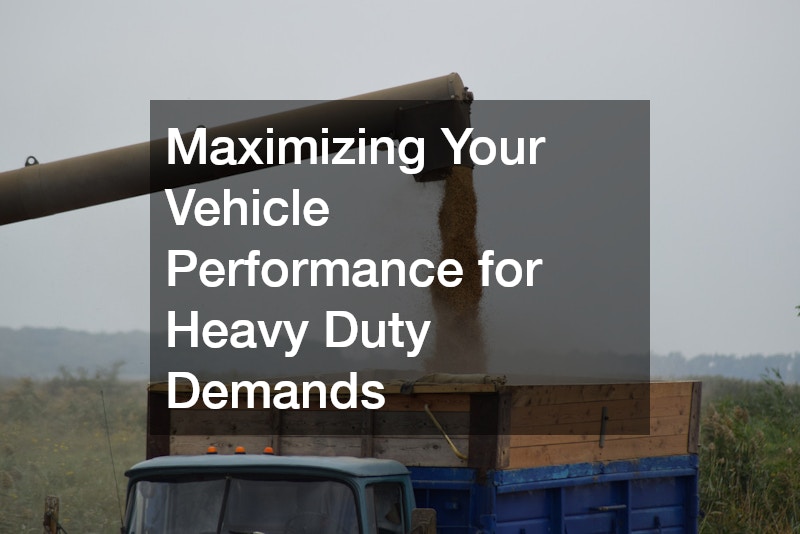
Operating a vehicle under heavy-duty demands—whether hauling construction equipment, pulling a fifth-wheel camper, or managing a commercial transport route—pushes every mechanical, hydraulic, and structural component to its absolute limit. When a vehicle is consistently subjected to maximum payloads, extreme terrain, or continuous pulling, standard factory configurations and routine passenger-car maintenance are rarely enough to ensure long-term reliability. Neglecting these increased demands leads to accelerated component wear, decreased fuel efficiency, and devastating roadside downtime that drains your operational budget. To transform your vehicle into a heavy-duty powerhouse, you must establish a flawless synergy between targeted mechanical upgrades, proactive preventative maintenance, and strict safety compliance, ensuring your vehicle delivers peak performance every single time it is called to duty.
Upgrading the Backbone: Fortifying Chassis and Suspension for Extreme Payloads
When a vehicle is loaded to its maximum capacity, the rear suspension bears the brunt of the burden. Factory suspension systems are generally engineered as a compromise, designed to provide a comfortable ride when empty while offering just enough support for occasional loads. However, under continuous heavy-duty demands, this compromise falls short. The rear of the vehicle sags, which drastically alters steering geometry, transfers weight away from the front axle, and creates unstable driving conditions. Furthermore, a sagging suspension frequently bottoms out over bumps, placing immense impact shock directly onto the vehicle’s frame and axles.
To combat these issues, investing in high-quality aftermarket truck modifications is one of the most effective steps you can take. Upgrading your suspension system directly addresses the physical strain of heavy payloads. Helper springs or pressurized air helper spring systems allow you to adjust the firmness of your rear suspension on the fly, ensuring a level ride height regardless of cargo distribution. Additionally, upgrading to thicker, heavy-duty sway bars can dramatically reduce body roll when cornering or dealing with crosswinds, keeping your vehicle firmly planted on the road.
Even with the best upgrades, continuous heavy hauling will inevitably accelerate wear on your chassis components. Over time, leaf springs can lose their arch, coil springs can sag permanently, and rubber bushings will crack and degrade under the pressure. Regular inspections are vital to catch these issues early. If you notice that your vehicle leans to one side, makes a deep clunking noise when driving over uneven ground, or exhibits unusual instability, it is critical to seek professional truck suspension repair immediately to restore ride control and protect the structural integrity of your vehicle.
Stopping Power: Ensuring Reliable Braking Under Heavy Loads
Accelerating a heavy payload is only half the battle; stopping it safely is where the real danger lies. The thermal dynamics of braking a vehicle under heavy-duty conditions are extreme. Every time you step on the brake pedal, the kinetic energy of your moving vehicle and its cargo is converted into thermal energy through friction. When your total vehicle weight is doubled or tripled, the amount of heat generated skyrockets, quickly leading to a terrifying phenomenon known as brake fade, where the friction materials overheat to the point that they lose their ability to grip the rotors.
To prevent brake fade and ensure absolute reliability, routine and specialized brake repair must be a top priority. When servicing a heavy-duty vehicle, you should opt for premium, severe-duty friction materials. Carbon-ceramic or heavy-duty semi-metallic brake pads are specifically engineered to maintain their structural integrity at temperatures that would cause standard pads to disintegrate. Pairing these advanced pads with slotted or drilled rotors further enhances safety, as the slots act as escape routes for the intense gases and heat generated under hard braking.
Beyond the mechanical components at the wheel ends, the hydraulic system requires meticulous care. Brake fluid naturally absorbs moisture from the air over time. Under normal driving conditions, this moisture might not pose an immediate threat, but when hauling heavy loads down long, steep grades, the heat transfers directly into the fluid. If the fluid contains water, that water can boil and turn into gas bubbles, causing your brake pedal to drop completely to the floor without activating the brakes. Flushing your brake fluid regularly with high-boiling-point fluid is a non-negotiable safety practice.
Directional Control: Geometry and Alignment Under Pressure
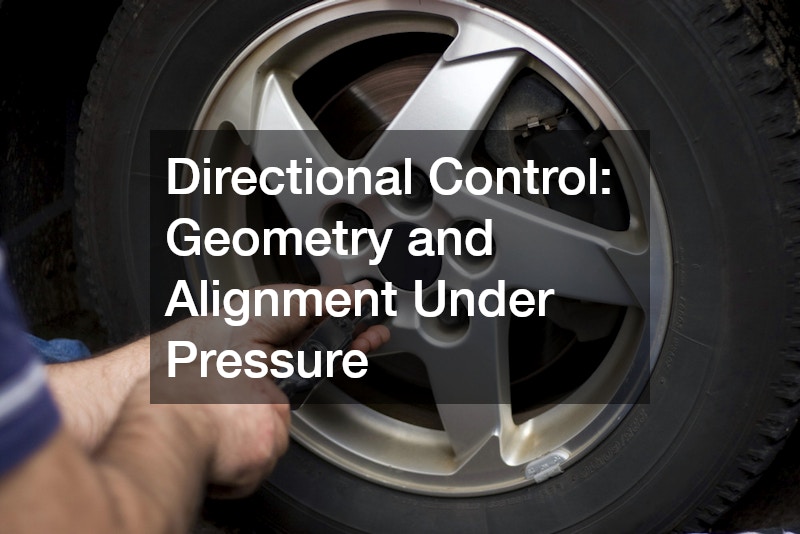
The alignment of your vehicle’s wheels dictates how it interacts with the road surface. Under normal operation, proper alignment ensures minimal rolling resistance, maximum fuel economy, and even tire wear. However, when you subject a vehicle to heavy-duty loads, the immense weight compresses the suspension, which directly alters the camber, caster, and toe angles of the wheels. If a vehicle is aligned while completely empty, loading it down with thousands of pounds can cause the tires to tilt or point inward aggressively while driving, leading to unpredictable handling and rapid tire destruction.
A precise wheel alignment tailored to your typical operating conditions is essential for maintaining control. When a vehicle’s geometry is misaligned under a heavy load, the tires are essentially dragging sideways down the road instead of rolling smoothly. This creates immense friction and heat, which can cause heavy-duty tires to fail catastrophically at highway speeds. Signs that your vehicle’s alignment has been compromised include a steering wheel that is off-center when driving straight, a noticeable pull to one side of the lane, or a steering response that feels vague and unresponsive.
For vehicles that spend their time navigating harsh environments like construction sites, oil fields, or rugged agricultural terrain, the alignment should be checked far more frequently than the standard manufacturer recommendation. The combination of heavy payloads and deep potholes, ruts, or rocky trails can easily knock steering linkages out of specification. Upgrading to heavy-duty, adjustable tie rods, drag links, and track bars can help hold the alignment longer under duress, yielding massive dividends in steering precision, driver confidence, and the overall lifespan of your expensive tires.
In-Cabin Efficiency: Thermal Regulation and Operator Comfort
When focusing on heavy-duty performance, it is easy to spend all your time looking under the hood or beneath the chassis. However, the environment inside the cabin plays a massive, direct role in the overall efficiency and safety of the vehicle’s operation. On long hauls or extended days on a grueling job site, solar heat gain through the large glass surfaces of a truck cabin can cause interior temperatures to soar. This forces the vehicle’s air conditioning compressor to run continuously at maximum capacity, which places a significant parasitic load on the engine, robbing it of horsepower and burning extra fuel.
One of the most overlooked yet highly effective ways to mitigate this thermal drain is by utilizing premium auto window tinting services. Modern, high-performance ceramic window films are engineered to block up to 99% of harmful ultraviolet rays and a massive percentage of infrared heat energy without requiring a dark, visibility-reducing shade. By drastically reducing the amount of solar heat entering the cabin, your vehicle’s HVAC system can easily maintain a comfortable temperature without constantly draining engine power. Furthermore, reducing solar glare significantly decreases driver eye strain and mental fatigue, keeping the operator alert and focused.
In addition to thermal management, optimizing the cabin with the right truck accessory selection can greatly enhance daily productivity and vehicle organization. Heavy-duty operations require quick access to tools, documentation, communication devices, and safety gear. Installing custom-fit, weather-resistant floor liners protects the floorboards from mud, chemicals, and debris tracked in from rugged job sites, preventing floor corrosion. Upgrading to ergonomic, air-ride or highly bolstered seating can protect the driver’s back from the harsh, stiff vibrations inherent in heavy-duty suspension systems.
Staying Compliant: Navigating Safety Standards and Commercial Regulations
Operating a heavy-duty vehicle brings with it a high degree of regulatory responsibility. Because of the sheer mass and potential danger associated with large payloads, transport authorities enforce strict guidelines to ensure that every vehicle on the road is mechanically sound. Failing to comply with these regulations can result in severe financial penalties, operational shutdowns, and increased liability in the event of an accident. Therefore, maximizing performance must always go hand-in-hand with maintaining rigorous safety compliance and structural integrity.
A primary pillar of this compliance is ensuring your vehicle passes its mandatory state inspection service with flying colors. Rather than viewing these inspections as a bureaucratic hurdle, smart operators use them as a baseline safety standard to validate their preventative maintenance routines. During these comprehensive evaluations, inspectors scrutinize critical safety components, including lighting systems, windshield integrity, horn operation, exhaust emissions, and the overall functionality of the steering and braking systems. Any play in the ball joints, leaks in the exhaust system, or worn components will result in an immediate failure, putting your operations on hold.
To ensure your vehicle always passes inspections and remains entirely safe for heavy-duty demands, implementing a daily pre-trip inspection routine is highly recommended.
-
Check all fluid levels, including engine oil, coolant, transmission fluid, and power steering fluid, to ensure there are no active leaks.
-
Visually inspect the tires for proper inflation pressure, deep tread depth, and the absence of sidewall bulging or punctures.
-
Verify that all exterior lighting, including brake lights, turn signals, hazard flashers, and clearance lights, is fully operational and clean.
-
Test the air or hydraulic brake systems for proper pressure retention and immediate responsiveness before moving the vehicle.
-
Examine the frame, hitch receivers, or fifth-wheel couplings for any signs of metal fatigue, stress cracks, or loose mounting hardware.
The Logistics of Heavy Hauling: Best Practices for Safe Rigging and Transport
The physical act of moving massive loads requires a deep understanding of weight distribution and towing dynamics. Every vehicle has strict legal and mechanical limits defined by the manufacturer, such as the Gross Vehicle Weight Rating and the Gross Combined Weight Rating. Exceeding these numbers is a recipe for mechanical disaster, as it overloads the engine, transmission, brakes, and tires far beyond what they were designed to handle. When preparing for a heavy haul, you must account for the weight of the vehicle itself, the passengers, the fuel, the cargo, and the tongue weight exerted by a trailer.
When managing a massive load, utilizing a professional truck towing configuration is critical to maintaining control. The distribution of the weight within or behind the vehicle dictates how it handles at highway speeds. A general rule of thumb for trailer cargo is to place approximately 60% of the total load weight in the front half of the trailer, ahead of the axles, while securing it firmly to prevent shifting. This ensures adequate tongue weight on the tow vehicle’s hitch, which prevents dangerous trailer sway. Utilizing weight-distribution hitches with sway control bars can help spread that load evenly across all axles.
For businesses and individuals managing large fleets or exceptionally heavy equipment, establishing a relationship with a dedicated towing service is a vital component of operational planning. Not all transport jobs can be handled by standard consumer trucks. When the payload exceeds standard capacities, specialized medium-duty or heavy-duty transport vehicles must be deployed. These specialized setups feature commercial-grade powertrains, heavy-duty air brake systems, and advanced cooling packages designed to handle sustained hill climbs and descents without overheating.
Contingency Planning: Emergency Protocols for Severe Mechanical Failures
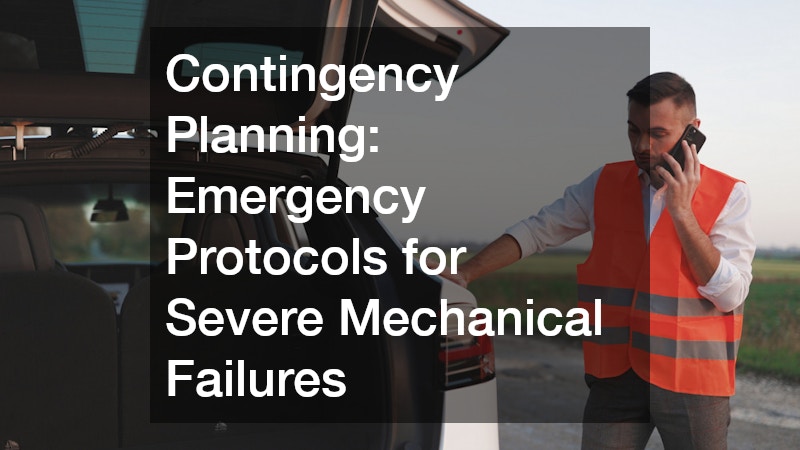
Even with the most meticulous preventative maintenance schedule, the punishing nature of heavy-duty operations means that mechanical emergencies can still happen. A sudden tire blowout at highway speeds, a ruptured coolant hose under heavy load, or a sudden transmission failure while climbing a steep mountain pass can instantly transform a routine workday into a high-stress crisis. How you respond in the first few minutes of a mechanical failure dictates the safety of the vehicle operator, the cargo, and every other motorist sharing the road.
If your vehicle experiences a severe failure while moving, the primary objective is to maintain control and get the rig to a safe location. Avoid slamming on the brakes abruptly, especially during a tire blowout, as this can cause the vehicle or trailer to jackknife; instead, maintain steady steering and apply gradual braking. Signal clearly and guide the vehicle toward the right shoulder of the road, ideally finding a long, straight stretch where visibility is high for approaching traffic. Once stopped, engage the parking brake, turn on your hazard lights, and deploy reflective warning triangles behind your vehicle to alert oncoming drivers.
When a massive commercial vehicle or a heavily loaded truck and trailer setup becomes completely disabled, standard roadside assistance is wholly inadequate. Attempting to pull or recover a heavy-duty vehicle with improper equipment can cause severe damage to the vehicle’s frame, drivetrain, and suspension. In these extreme situations, you must contact a specialized semi-truck recovery service. These professional operations possess the massive rotators, heavy-duty wreckers, and specialized rigging equipment required to safely lift, secure, and transport heavy vehicles without causing secondary damage.
Maximizing your vehicle’s performance for heavy-duty demands is a continuous, disciplined commitment to understanding the immense physical forces acting upon your vehicle and taking proactive steps to stay ahead of them. By fortifying your chassis and suspension, upgrading your braking components, maintaining precise wheel geometry, and ensuring in-cabin efficiency, you build a vehicle capable of tackling the toughest jobs with absolute confidence. The time and financial resources you invest into high-quality components, professional maintenance services, and meticulous daily inspections will yield massive returns in vehicle longevity, minimized downtime, and enhanced safety. Treat your vehicle with the respect that heavy-duty demands require, and it will deliver the unstoppable performance and reliability you need to get the job done, day after day.
About the Author