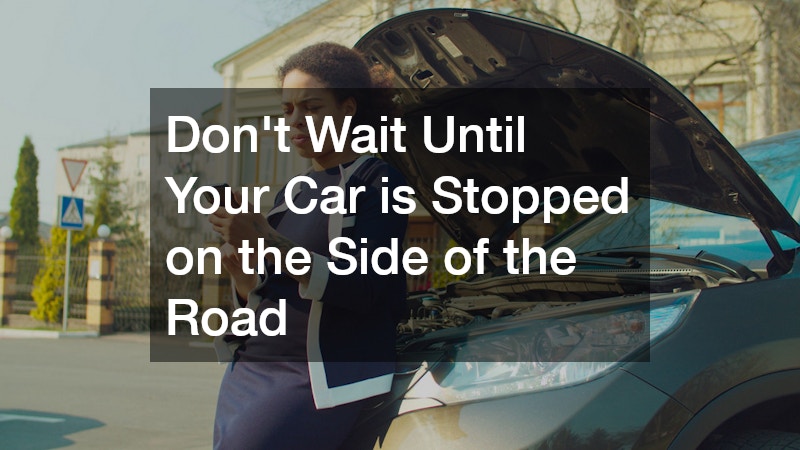
Picture this: you’re running late for work, you turn the key, and nothing happens. Or worse — you’re on the highway, and your car starts pulling hard to one side, smoke curling from under the hood. That sinking feeling? It’s almost always avoidable. Cars don’t just break down without warning. They send signals for weeks, sometimes months, before they finally give out. The problem is that most drivers either don’t know what those signals mean or convince themselves it can wait until next month.
How to Recognize a Dead Battery Before It Leaves You Stranded
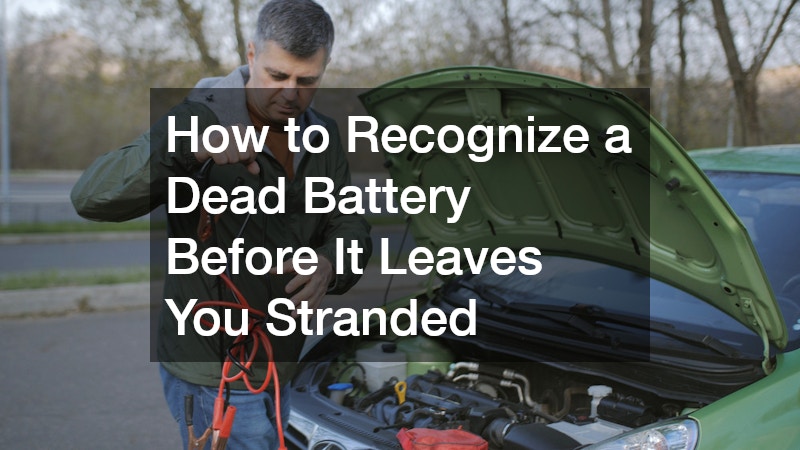
A dead battery is one of the most common — and most preventable — roadside emergencies. The signs show up long before the morning you turn the key and get nothing. Your engine cranks slowly and reluctantly. Your headlights look noticeably dimmer than they used to. Dashboard electronics act sluggishly or reset unexpectedly. These aren’t quirks — they’re your battery telling you it’s running low on life.
Most car batteries last between three and five years, but that window shrinks fast in extreme heat or cold. The frustrating thing about jump start assistance is that it gets you moving again, but it doesn’t fix anything. If your battery is struggling, jumping it gives you another day, not another year. Too many drivers rely on jump starts as a long-term solution when the real fix is a $100–$150 battery replacement.
Here’s what to do instead:
- Visit any auto parts store for a free battery load test — most take under five minutes
- Have your battery terminals checked for corrosion (white or blue buildup around the posts)
- Test your battery every six months, especially before winter sets in
- Note the date your battery was installed — if it’s over four years old, plan to replace it proactively
If your car has been jump-started more than once in a month, stop treating it as a coincidence. That’s your car asking for help.
Why Large Vehicles and Tough Terrain Demand More Than a Basic Tow Truck
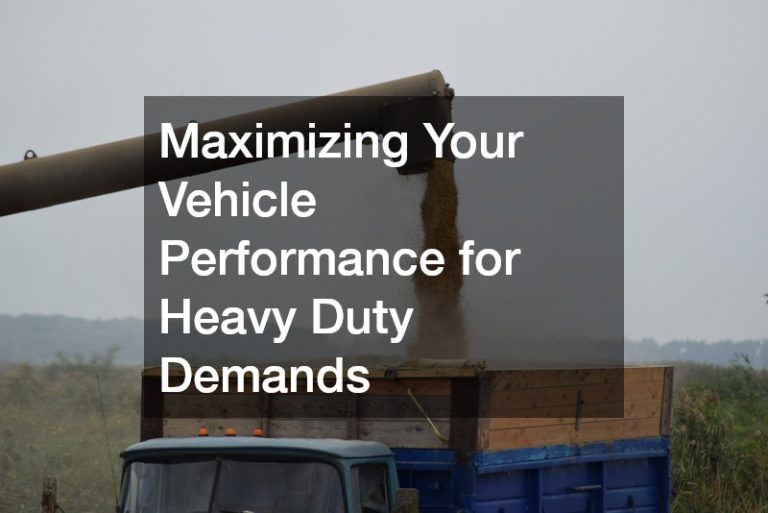
Standard roadside coverage works fine for a sedan on city streets. But if you’re driving a pickup truck, an RV, a diesel work van, or hauling a trailer, the rules change completely. When something goes wrong with a larger or heavier vehicle, basic tow trucks often can’t handle the job — and finding out in the moment that your coverage doesn’t apply is one of the most frustrating experiences you can have on the road.
Heavy duty roadside services exist specifically for these situations. They include specialized flatbed towing for oversized vehicles, commercial winching for off-road recoveries, air tire service for large rigs, and load assistance when a disabled vehicle is carrying cargo. If you rely on a truck or commercial vehicle for your livelihood, the cost of not having this coverage can extend well beyond the repair itself — into lost work hours, missed deliveries, and customer dissatisfaction.
Before you need it, take these steps:
- Know your vehicle’s gross vehicle weight rating (GVWR) and confirm your roadside plan covers that weight class
- Keep a heavy-duty emergency kit in your cab: reflective triangles, heavy work gloves, tow straps, and jumper cables rated for your engine size
- Save the number of a local heavy-duty towing provider separately from your roadside app — not every provider can serve commercial vehicles on short notice
Planning for the worst-case scenario takes twenty minutes. Not planning for it can cost you an entire day or more.
The Subtle Symptoms That Mean Your Transmission Is Crying for Help
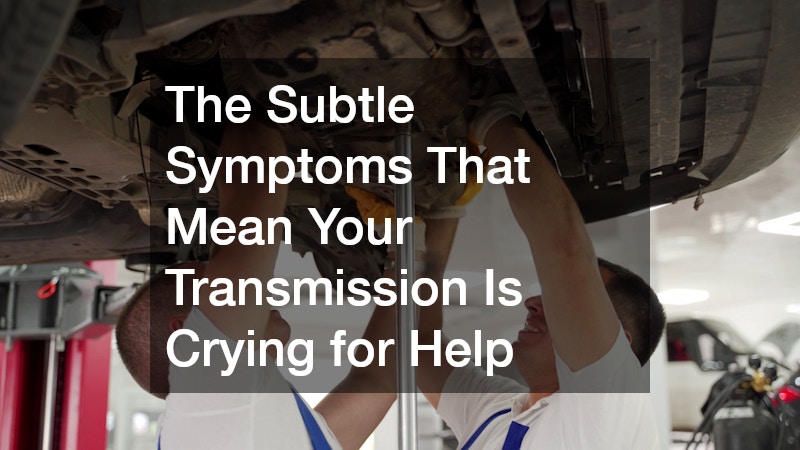
Your transmission is one of the most complex and expensive components in your vehicle. It’s also one that people tend to ignore until it’s too late. The warning signs are there — you just have to know what you’re feeling for.
Transmission trouble often starts with small things: a slight hesitation when the car shifts from first to second gear, a shudder when accelerating from a stop, or a faint burning smell after a long drive. You might notice the car slipping out of gear briefly, or the RPMs jumping without a corresponding increase in speed. These are not “quirks.” These are early-stage transmission problems, and catching them early makes all the difference.
Transmission repairs become dramatically more expensive the longer they’re delayed. What might cost a few hundred dollars to address as a fluid change or solenoid replacement can balloon into a several-thousand-dollar rebuild if ignored.
It’s also worth understanding the connection to axle repairs. Your CV (constant velocity) axles transfer power from the transmission to the wheels, and when the axle seals fail, they can leak grease onto the transmission housing or allow contamination into transmission fluid. A worn axle isn’t just an axle problem — it can cause or accelerate transmission wear. If you’re hearing clicking noises during turns or feeling vibration at highway speeds, have both the axle and transmission inspected together.
What to do now:
- Check your transmission fluid monthly — healthy fluid is pink or light red; dark brown or black fluid with a burnt smell means it’s time for a flush
- Listen for any new sounds during gear changes and write down when they happen
- Don’t tow heavy loads or drive aggressively if you suspect transmission trouble — it accelerates the damage significantly
What That Grinding Noise Under Your Car Is Trying to Tell You
Most drivers don’t think about their differential until it fails — and by then, the repair is substantial. The differential is the system that allows your wheels to rotate at different speeds when you’re turning, which is essential for handling and tire wear. Without a functioning differential, cornering becomes difficult and tires wear unevenly.
The early signs of differential trouble are audible. A low whining or humming sound that changes pitch with vehicle speed, a grinding or clunking noise during turns, or a vibration that worsens on curves — these all point to differential wear. The cause is usually simple: low or contaminated differential fluid that wasn’t changed on schedule.
When wear progresses past a certain point, a differential rebuild becomes necessary. This involves disassembling the differential housing, replacing worn gears, bearings, and seals, and reassembling the unit to factory specifications. It’s a skilled repair, but when caught before total failure, it’s far more cost-effective than purchasing and installing a replacement unit.
Here’s how to stay ahead of differential problems:
- Include differential fluid in your regular maintenance schedule — it should typically be replaced every 30,000 to 50,000 miles, though your owner’s manual may specify differently
- Pay attention to any new sounds during turns, specifically, as opposed to straight-line driving
- If you drive a four-wheel-drive or all-wheel-drive vehicle, you have multiple differentials — front, rear, and sometimes a center unit — all of which need periodic service
How to Know When Your Brakes Are Past Due
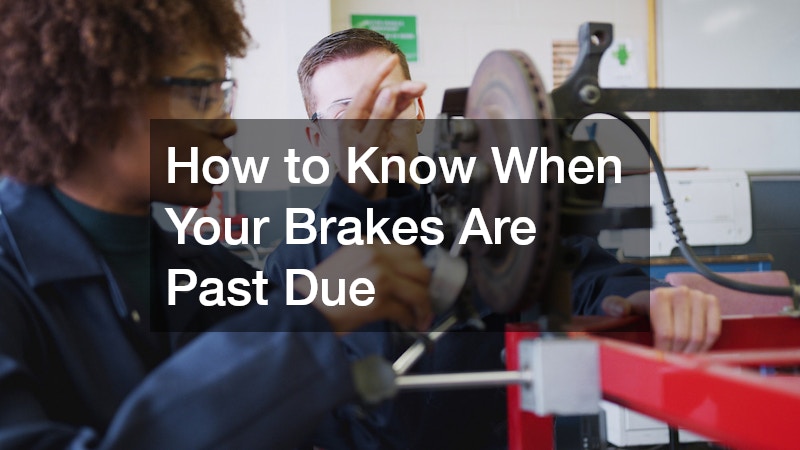
No system on your vehicle matters more for your safety than the brakes. And yet brake wear is one of the most commonly deferred maintenance items. People hear the squeal and tell themselves it’s fine for another few months. It almost never is.
Auto brake repair covers more than just replacing worn pads. A complete brake system includes the pads, rotors, calipers, brake lines, and brake fluid — each of which degrades on its own timeline. Worn pads grinding against bare metal rotors damage the rotors too, turning a $200 pad replacement into a $500–$700 job that includes rotor resurfacing or replacement. Neglecting brake fluid leads to a spongy, unresponsive pedal and eventually moisture contamination in the lines.
Watch for these specific warning signs:
- Squealing or squeaking when you apply the brakes – this is often the wear indicator built into the pad
- Grinding or metal-on-metal sound – this means the pad is gone and the caliper is contacting the rotor directly
- Pulling to one side when braking – a stuck caliper or uneven pad wear
- Vibration or pulsing through the brake pedal – usually a sign of warped rotors
- Soft or spongy pedal – indicates air in the lines or a brake fluid issue
Budget for a brake inspection every 12,000 miles or once per year — whichever comes first. If you do a lot of city driving with frequent stops, you may need to inspect them more often. Don’t wait for the squeal to become a grind.
Why a Noisy or Smelly Exhaust Is Never Just an Annoyance
A healthy exhaust system does three things: it reduces engine noise, controls harmful emissions, and helps your engine run at peak fuel efficiency. When any part of the exhaust system fails — from the manifold to the catalytic converter to the tailpipe — all three functions are compromised.
The warning signs are easy to dismiss but worth taking seriously. A sudden increase in engine noise (your car sounds louder than it used to), a sulfur or rotten egg smell from the rear of the vehicle, reduced fuel economy, or a check engine light triggered by an oxygen sensor — these are all exhaust-related red flags. In worst-case scenarios, an exhaust leak under the vehicle can allow carbon monoxide to seep into the cabin, which is a serious health and safety risk.
Timely auto exhaust repairs prevent a chain reaction of expensive damage. A small leak at an exhaust manifold gasket, left unaddressed, increases backpressure in the system and shortens the life of the catalytic converter — a component that can cost $1,000 or more to replace on its own.
If your car suddenly sounds noticeably louder or you detect an unusual smell after starting the engine, don’t schedule it for next month. Get it inspected within the week.
Small Dents Are More Than a Cosmetic Problem — Fix Them Before They Spread

It’s easy to see a small dent and think of it as purely cosmetic — a minor eyesore that doesn’t affect how the car runs. But dents that break or crack the paint create an entry point for moisture, and moisture on bare metal means rust. Rust doesn’t stay in one place. It spreads outward and inward, eventually compromising the structural integrity of the panel — and in some cases, spreading to adjacent sections of the body.
Paintless dent removal service is the ideal solution for minor dings and dents where the paint is still intact. The process uses specialized tools to massage the metal back into its original shape from behind the panel, without any sanding, body filler, or repainting. It preserves your vehicle’s factory finish, which matters both aesthetically and for resale value. It’s also significantly faster and more affordable than traditional bodywork.
The key is timing. Paintless dent removal service works best when the paint hasn’t been broken. Once rust has set in, the repair requires grinding away the rust, filling the area with body filler, priming, and painting — a process that costs several times more than PDR would have. A dent you notice in March might be a much more expensive rust repair by September.
If you have minor dents from parking lot mishaps, hail, or minor impacts, get them looked at within a few weeks — not a few seasons.
A Cracked Windshield Is a Ticking Clock
That small chip in your windshield might look harmless, but it’s more time-sensitive than most people realize. Heat, cold, and the vibrations of daily driving all create stress on the glass, and a chip that’s been sitting for a week can become a full crack overnight after a cold morning or a hard stop.
Windshield repairs are possible — and often covered by auto insurance with zero deductible — when the damage is a chip smaller than a dollar coin or a crack under six inches and outside the driver’s direct line of sight. Once a crack spreads beyond that point, full windshield replacement becomes necessary, which costs significantly more and takes longer.
Beyond cost, there’s a structural reason to act quickly. Your windshield is a load-bearing component of your vehicle’s safety system. It supports the roof in a rollover and helps the passenger-side airbag deploy correctly. A compromised windshield — even one with a crack that seems minor — reduces the structural integrity of the entire cabin.
Steps to take right now:
- Check your auto insurance policy for glass coverage — many comprehensive policies include windshield repairs at no cost to you
- Address chips as soon as you notice them, before temperature changes cause them to spread
- Avoid car washes with high-pressure jets until the chip is repaired, as pressure can cause cracks to propagate
How to Build a Relationship With a Mechanic Before You Desperately Need One
One of the best investments you can make in your vehicle’s health costs nothing upfront: finding a trustworthy local car service provider before something breaks. When you’re stranded or dealing with an urgent repair, you don’t have time to research shops, read reviews, or compare quotes. You take your car wherever there is an opening, and hope for the best.
Building a relationship with a local car service shop in advance puts you in a far better position. A mechanic who knows your vehicle — its history, its quirks, its past repairs — can spot developing problems that a new shop might miss entirely. They’re also less likely to recommend unnecessary work to someone who’s been a loyal customer.
Here’s what to look for when choosing a shop:
- ASE (Automotive Service Excellence) certification for technicians — this is the industry standard credential
- A written warranty on parts and labor, typically at least 12 months or 12,000 miles
- Transparent pricing with written estimates before work begins
- Strong recent reviews on Google or similar platforms, with responses from the shop owner
- A willingness to explain what’s wrong in plain language, not just tell you what it will cost
Make an appointment for a full vehicle inspection once a year, even if nothing feels wrong. Think of it the same way you think about an annual physical — proactive, routine, and far cheaper than treating something that’s been ignored for years.
Cars don’t break down without warning. They grind, they squeal, they hesitate, they smell different, they shake in ways they didn’t before. The challenge isn’t that the signs are hidden — it’s that we’re busy, and it’s easier to tell ourselves it can wait.
About the Author