
Taking control of your own vehicle maintenance is one of the most rewarding and financially empowering skills a car owner can cultivate. Beyond the immediate satisfaction of opening the hood and diagnosing a problem yourself, handling your own automotive maintenance frees you from steep dealership labor rates and inflated shop markups. Modern vehicles can feel intimidating with their complex computer networks, compact engine bays, and intricate electrical systems, but the core fundamentals of mechanics remain accessible. By starting with basic tasks and gradually expanding your skillset, you can keep your vehicle running smoothly, extend its lifespan, and save thousands of dollars over time.
Setting Up Your Home Garage Workspace
Establish Safety Protocols Before Lifting a Vehicle
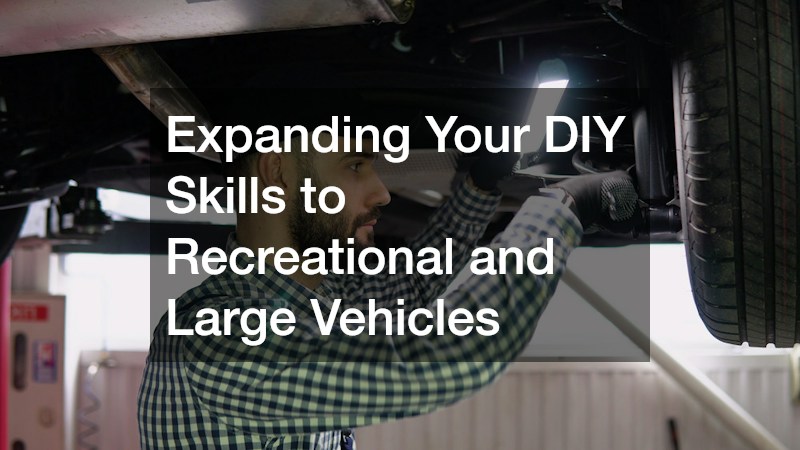
Before turning a single wrench, your absolute top priority must be creating a safe, controlled environment. Working under a vehicle carries inherent risks that can be entirely mitigated with the right equipment and habits. Never rely on the emergency scissor jack that came with your vehicle to support weight while you work underneath. These temporary jacks are designed exclusively for roadside tire changes on flat, paved ground and are notoriously unstable. Instead, invest in a heavy-duty hydraulic floor jack rated for your vehicle’s gross weight and pair it with a sturdy set of steel jack stands. Always chock the wheels remaining on the ground, engage the parking brake, and double-check that your jack stands are positioned under solid, factory-designated frame lift points before crawling under the chassis.
Personal protective equipment is equally critical. Eyewear should be worn at all times to shield your eyes from falling road debris, rust flakes, and splashing fluids. Nitrile gloves protect your skin from harmful chemicals like used engine oil, brake fluid, and solvents, while ear protection minimizes noise when operating power tools or air compressors. Additionally, keep a fully charged Class B fire extinguisher within arm’s reach in your garage, as automotive fluids are highly flammable.
Organize Your Working Environment and Waste Disposal
A cluttered workspace leads to lost hardware, misplaced tools, and avoidable safety hazards. Establish a clear layout for your garage by mounting pegboards for frequently used hand tools, setting up labeled socket trays, and using magnetic hardware dishes to keep track of nuts and bolts as you disassemble components. Keeping your floor clear of oil spills and stray tools prevents trips and slips. Whenever you drain fluids like oil or coolant, use wide catch pans and immediately transfer the used liquids into sealed, labeled containers for responsible recycling at your local auto parts store or municipal collection site.
If you are transforming a neglected garage or workshop into a functional automotive bay, clutter management becomes your first major project. Deep cleaning a workspace often requires clearing out years of accumulated yard debris, scrap metal, old tires, and broken construction materials. For major shop overhauls or property cleanouts, utilizing dumpster rentals allows you to clear the floor space quickly and establish a clean, safe environment before bringing in heavy machinery or vehicle lift setups. Once the floor is clear and clean, stock your shop shelves with fresh lubricants, shop towels, cleaner sprays, and high-quality auto parts so you are always prepared for scheduled weekend maintenance.
Sourcing Essential Tools and Specialty Equipment
Build a Versatile Core Mechanics Tool Kit
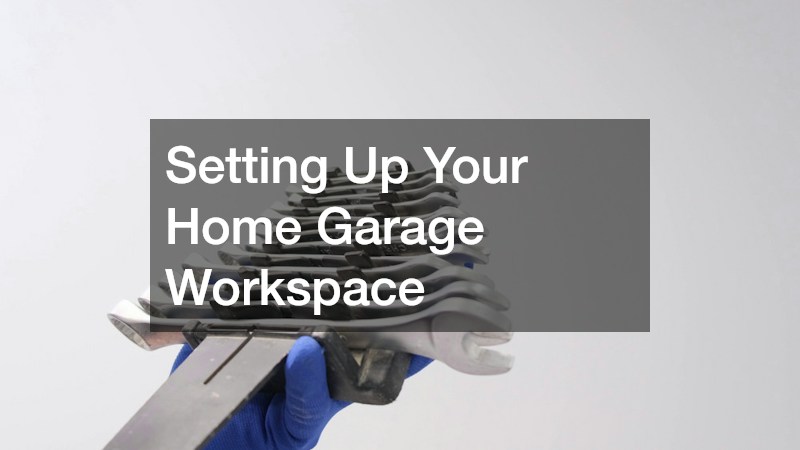
You do not need to purchase a multi-thousand-dollar professional tool chest to begin working on your car. Most routine maintenance jobs can be accomplished with a well-curated starter set of hand tools. Start with a comprehensive 3/8-inch drive ratchet and socket set containing both shallow and deep sockets in metric sizes, as almost all modern domestic and import vehicles utilize metric fasteners. A set of combination wrenches, needle-nose pliers, channel-lock pliers, wire cutters, and a variety of flathead and Phillips screwdrivers will handle the vast majority of basic disassembly tasks.
As you advance to more complex tasks, specialized diagnostic and torque tools become essential:
- Torque Wrenches: Critical for tightening lug nuts, cylinder head bolts, and suspension components to precise manufacturer specifications, preventing warped rotors or snapped studs.
- OBD-II Code Scanners: An essential electronic tool that plugs into your car’s diagnostic port to read Check Engine Light codes and monitor live engine data.
Understand Equipment Maintenance Across Different Machinery
Understanding mechanical fundamentals allows you to apply your repair skills across a wide variety of power equipment beyond standard passenger vehicles. The four-stroke internal combustion engine operates on the exact same intake, compression, power, and exhaust principles whether it is under the hood of a sedan or powering outdoor power equipment like scag mowers. Learning how to clean a carburetor, replace a spark plug, change air filters, and set gap clearances on a lawn tractor gives you direct, hands-on experience that transfers directly to automotive engine care without the high stakes of working on your primary commuter car.
Similarly, as your garage setup evolves, you may interact with heavier shop equipment designed for specialized tasks. While basic tire changes can be managed with manual tire spoons and bead breakers, professional shops utilize pneumatic mounting equipment. When specialized gear breaks down, understanding machine mechanics helps you identify whether a simple pneumatic line leak is at fault or if specialized tire machine repair is needed from a certified service technician.
Mastering Basic Maintenance and Routine Services
Perform Fundamental Fluid and Filter Replacements
The absolute best place for a beginner to start gaining confidence is with routine fluid and filter changes. Changing your own engine oil is the gateway project for DIY mechanics. Start by running the engine for a few minutes so the oil warms up, allowing it to drain faster and carry away suspended contaminants. Place your drain pan beneath the oil pan plug, carefully unscrew the plug with a box-end wrench, and let the oil drain completely. Always replace the crush washer on the drain plug before re-installing it to manufacturer torque specs. Unscrew the old oil filter, smear a thin layer of fresh oil on the rubber gasket of the new filter, screw it on hand-tight, and refill the crankcase with the exact viscosity and volume specified in your owner’s manual.
Beyond oil, systematically check all major fluid reservoirs under the hood during every routine service:
- Engine Air Filter: Unclip the airbox housing, lift out the old pleated paper filter, wipe away stray leaves or sand inside the box, and drop in a fresh filter to ensure optimal fuel economy.
- Brake Fluid: Check the transparent reservoir on top of the master cylinder. The fluid should be light amber; if it appears dark brown or black, it has absorbed moisture and needs to be flushed.
Manage Cabin Comfort and Minor Aesthetic Upgrades
Maintaining a comfortable cabin involves monitoring your HVAC system and interior seals. If your air conditioning stops blowing cold air during warm months, start your troubleshooting by inspecting the cabin air filter behind the glovebox for clogs, checking the radiator cooling fan operation, and verifying that the AC compressor clutch engages when the climate controls are turned on. While complex refrigerant leaks or compressor replacements require certified recovery equipment, basic diagnostic steps can help you determine if a straightforward ac repair or simple fuse swap will restore cold air to your interior.
Aesthetic and comfort upgrades are another fantastic way to customize your vehicle while building patience and precision. Adding solar film to your side windows reduces interior temperatures, blocks harmful UV rays, and protects leather upholstery from fading over time. Successful DIY auto window tinting requires meticulous preparation: the interior glass must be scrubbed completely free of dust, grease, and razor blade debris using a soapy slip solution before squeegeeing the film perfectly flat to eliminate air bubbles and water pockets.
Tackling Advanced Systems: Diagnostics and Electrical Work
Trace Electrical Faults with Confidence
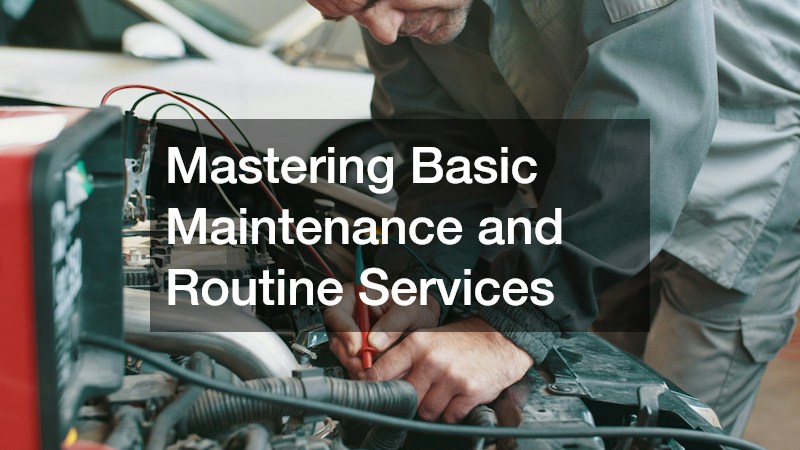
Automotive electrical issues strike fear into the hearts of many beginner mechanics, but modern electrical circuits operate on simple, predictable physical laws. Most electrical problems stem from loose connections, blown fuses, corroded ground points, or failed relays rather than broken wiring harnesses inside the dashboard. When a power window, headlight, or radio stops working, always start your diagnosis at the main fuse box. Locate the designated fuse using the diagram printed on the fuse box cover or in your service manual, pull it with a plastic fuse puller, and inspect the internal metal strip for a clear break.
If the fuse is intact, use a digital multimeter to trace voltage through the circuit step-by-step:
- Set the Multimeter: Turn the dial to Direct Current Voltage (DCV), usually represented by a capital ‘V’ with a straight line above it.
- Check the Battery: Touch the red probe to the positive terminal and black probe to the negative terminal. A healthy resting battery should read between 12.4V and 12.7V.
Taking the time to master basic auto electric repair allows you to fix complex electrical gremlins that often lead shops to charge hours of expensive diagnostic labor.
Compare Automotive Wiring to Smaller Utility Vehicles
The electrical troubleshooting skills you develop while working on your car or truck translate directly to smaller recreational and utility equipment. Light utility platforms operate on straightforward 12-volt or multi-battery series circuits that make excellent learning environments. Troubleshooting a non-charging battery bank, a faulty ignition key switch, or a sticky solenoid on an electric golf cart follows the exact same voltage-drop and continuity testing principles used to diagnose a car’s starting and charging system.
By practicing electrical diagnostics across different types of machinery, you become far more comfortable reading wiring schematics and tracing wires. Testing continuity across switches, measuring resistance through electric motor windings, and cleaning heavy-gauge battery cables on a utility vehicle builds deep hands-on familiarity with low-voltage DC systems. This cross-platform experience gives you the confidence to tackle more intimidating automotive wiring projects, such as installing aftermarket fog lights, trailer brake controllers, or upgraded stereo head units in your primary vehicle.
Expanding Your DIY Skills to Recreational and Large Vehicles
Maintain Systems on Heavy Duty and Recreational Platforms
As your confidence and tool collection grow, you can apply your mechanical skills to larger platforms like travel trailers, motorhomes, and heavy utility rigs. These larger vehicles share many foundational mechanical systems with standard automobiles—including hydraulic disc brakes, heavy-duty leaf spring suspensions, dual-battery charging setups, and internal combustion drivetrains—but they present unique maintenance challenges due to their size, weight, and specialized onboard living systems.
When managing ongoing maintenance and seasonal rv repairs, taking a systematic DIY approach saves substantial money over commercial dealer rates:
- Plumbing System Care: Winterize fresh water systems by draining tanks and running non-toxic RV antifreeze through all lines before freezing temperatures arrive to prevent burst pipes.
- Slide-Out & Seal Maintenance: Lubricate mechanical slide-out tracks with dry silicone spray and inspect rubber bulb seals along exterior seams for cracks to prevent costly water intrusion.
Inspect Marine Systems and Cross-Platform Mechanics
Working on marine equipment provides another great opportunity to broaden your mechanical troubleshooting skill set. Boats share core internal combustion mechanics with cars, but their operating environments introduce aggressive salt exposure, unique cooling configurations, and strict safety requirements regarding fuel vapor containment and corrosion prevention.
If you are evaluating used watercraft from local boat sales, applying a rigorous multi-point mechanical inspection protects you from buying someone else’s neglected project:
- Raw Water Cooling System: Check the flexible rubber raw-water pump impeller for missing vanes or dry rot, and inspect heat exchangers or exhaust risers for internal corrosion and salt blockages.
- Ignition-Protected Electrical Gear: Verify that all electrical components, including starters, alternators, and distributors, are marine-rated and ignition-protected to prevent fuel vapor explosions in enclosed engine bilges.
Knowing When to Seek Professional Assistance

While building your DIY repair skills is immensely rewarding, part of being a smart, responsible mechanic is recognizing when a job exceeds your current tool setup, skill level, or safety threshold. Attempting high-risk repairs without the specialized equipment or training required can lead to catastrophic mechanical failure, ruined components, or severe personal injury. Knowing your limits is not a failure—it is an essential part of keeping your vehicle safe and reliable.
Always consult a certified professional shop for the following high-complexity systems:
- Internal Transmission Rebuilds: Automatic transmissions rely on high-pressure valve bodies, planetary gearsets, and precise clutch pack clearances that require specialized clean-room assembly environment and custom diagnostic tools.
- High-Pressure AC System Recovery: Opening pressurized air conditioning lines releases harmful refrigerants into the atmosphere. Professional shops use recovery machines to evacuate, vacuum test, and recharge AC systems safely.
Embarking on your journey as a DIY auto mechanic is one of the most practical investments you can make in your personal skill set. By starting small with routine fluid checks and oil changes, respecting proper safety protocols, and setting up an organized garage workspace, you build the confidence needed to handle progressively more complex maintenance tasks over time. The mechanical principles you master while working on your primary automobile will serve you well across every piece of machinery you own, giving you complete independence and peace of mind on the road. Grab your safety glasses, open up the service manual, and take that first step under the hood this weekend!
About the Author