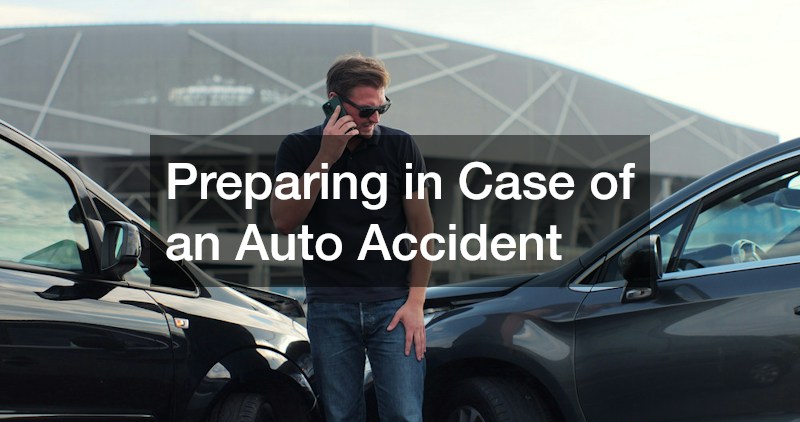
No driver expects to get into a collision when starting the ignition, yet millions of vehicular crashes occur every single year. Whether navigating daily rush-hour congestion, running simple weekend errands, or embarking on an extended highway road trip, the threat of an unexpected collision remains a constant reality of operating a motor vehicle. An automobile accident is an overwhelming experience that can leave even the most composed motorists feeling disoriented, anxious, and vulnerable. In the heat of the moment, adrenaline surges, logical reasoning becomes clouded, and vital details are easily overlooked.
Preparation transforms chaos into an orderly, manageable situation. When you possess a clear, step-by-step strategy long before an incident happens, you protect your physical health, preserve your legal rights, and safeguard your financial well-being. True vehicular readiness is not merely about reacting properly after metal strikes metal; it is an ongoing discipline that starts weeks, months, or years ahead of time. It encompasses keeping essential survival gear inside your cabin, organizing digital documentation, understanding your rights as a commercial or passenger driver, and mastering post-crash communication. By approaching road safety with thorough diligence, you turn an otherwise traumatic event into a routine procedure handled with confidence, precision, and complete clarity.
Essential Vehicle Emergency Kit Preparation
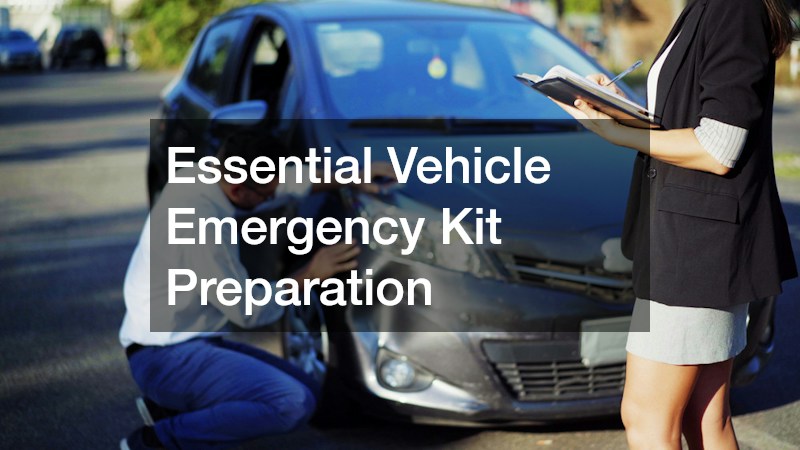
Assembling Life-Saving Medical and Safety Gear
A well-appointed vehicle emergency kit serves as your initial line of defense in the immediate aftermath of an impact. Before help arrives, you may need to manage minor lacerations, stabilize severe injuries, or keep passengers warm during severe weather conditions. Your cabin or trunk should house an airtight trauma kit containing sterile gauze pads, adhesive bandages of various dimensions, medical adhesive tape, antiseptic alcohol wipes, trauma shears, burn gel, and disposable nitrile gloves. A compact tourniquet is an invaluable addition that can prevent fatal blood loss during high-impact highway collisions.
Beyond basic first-aid supplies, your kit must feature tools that enhance personal safety and comfort while parked in hazardous environments. Pack a heavy-duty thermal emergency blanket for each seat in the automobile to combat shock or hypothermia in cold conditions. Stash high-protein energy bars, packaged purified drinking water pouches, and an extra pair of sturdy work gloves to protect your hands from sharp shards of shattered glass or jagged metal edges during an inspection.
Equipping Visibility Tools and Mechanical Essentials
Disabling collisions frequently happen during dark night hours, driving rainstorms, or heavy fog where visibility drops to near zero. Stash bright LED flashlights along with spare alkaline or lithium batteries, chemical glow sticks, and reflective warning triangles. Deploying reflective triangles several paces behind your immobilized vehicle warns approaching motorists from a distance, drastically reducing the severe danger of a secondary rear-end collision.
Mechanically, you should carry jumper cables or a portable lithium-ion jump starter pack to restart dead batteries without needing assistance from another motorist. A reliable digital tire pressure gauge, a portable twelve-volt tire inflator, and a high-visibility reflective safety vest ensure you can inspect damage safely along a narrow highway shoulder. Storing these tools securely in a durable duffel bag inside the rear cargo area keeps them from turning into dangerous flying projectiles if your vehicle suddenly rolls or comes to an abrupt halt.
Documentation and Administrative Readiness
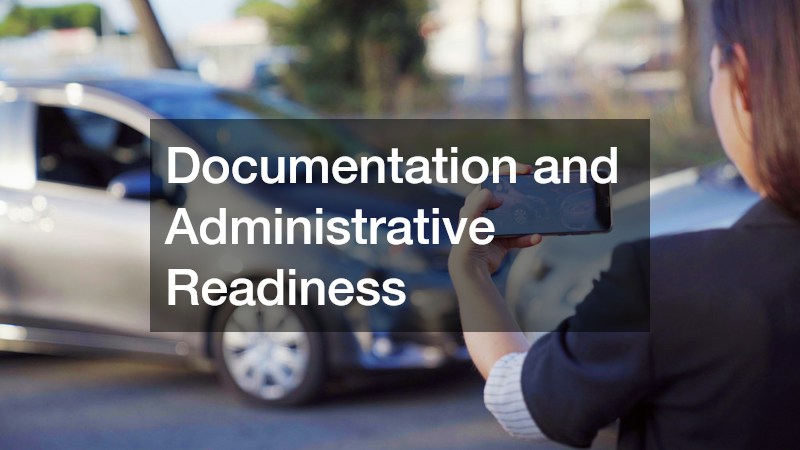
Organizing Crucial Paperwork Inside Your Glove Compartment
Scrambling for identification while shaken and distressed adds unnecessary friction to an already stressful encounter. Every driver should maintain an organized, dedicated pouch inside the glove compartment containing up-to-date vehicular registration certificates and a clean copy of your current policy agreement from your local car insurance provider. Having clean paperwork readily accessible speeds up the routine administrative process with responding law enforcement officers and prevents administrative citations.
Additionally, store a physical index card filled with critical emergency contact information, personal health notes, blood types, known medication allergies, and contact phone numbers for immediate family members. If you lose consciousness during a crash, first responders look inside the glove compartment or visor organizer to find life-saving health details. Keeping these documents in a transparent, waterproof zippered pouch protects them from beverage spills, rain exposure, or radiator fluid intrusion during a major crash.
Leveraging Modern Smartphone Technology for Evidence Preservation
Smartphones are extraordinarily versatile instruments for post-collision documentation if set up correctly beforehand. Before an event occurs, create a dedicated folder on your smartphone containing cloud-synced photo backups of your driver license, vehicle registration, and active insurance verification cards. Download your carrier mobile application and ensure your account credentials are saved for rapid, hassle-free digital claims reporting from the roadside.
Equip your device with offline mapping capabilities so you can identify your exact geographic coordinates even if mobile towers experience outages or remote locations lack reliable cellular coverage. Installing and configuring a dedicated dual-lens dashboard camera that records continuously out the front windshield and rear window provides objective, irrefutable video proof of driver actions, weather conditions, traffic signal cycles, and lane changes, which prevents deceptive disputes over fault.
Immediate Post-Accident Safety Protocols
Executing the Initial Scene Safety Evaluation
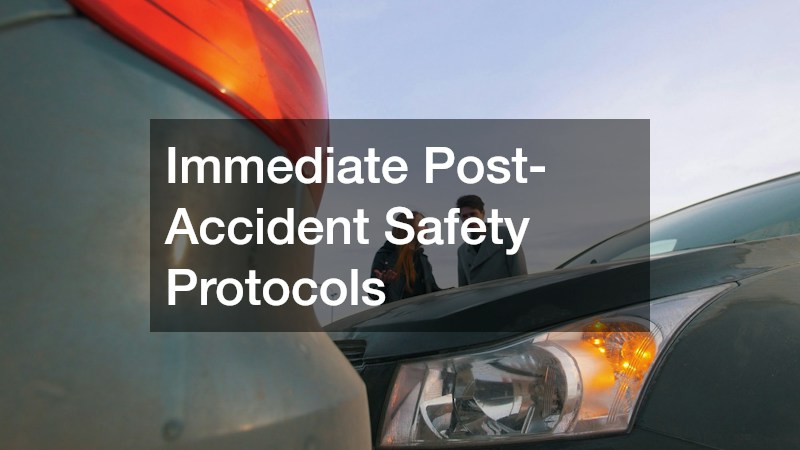
The first sixty seconds following a collision determine the overall trajectory of safety and recovery for everyone involved. As soon as movement ceases, shift the transmission immediately into park, pull the mechanical emergency handbrake, and shut off the ignition to eliminate fire hazards from leaking fuel or damaged electrical harnesses. Take three deep breaths to calm your nervous system, scan your body for hidden trauma, and check each passenger for pain, restricted breathing, or bleeding before attempting to open any doors.
If the collision is relatively minor and the vehicle remains operational, guide it gently off the active roadway onto the nearest shoulder, breakdown lane, or adjacent well-lit parking lot to keep active traffic moving. Conversely, if the vehicle cannot move, turn on your hazard flasher lights immediately. Do not exit into active highway lanes; if highway traffic is flying past at extreme speeds, staying seat-belted inside the steel frame of your cabin is substantially safer than standing exposed on a narrow, unprotected highway median.
Contacting First Responders and Triaging Injured Parties
Once the location is secure, dial emergency services immediately regardless of whether the damage appears modest. Inform the emergency dispatcher of your precise geographical position by noting highway mile markers, cross streets, visible commercial landmarks, or travel directions. Detail the number of vehicles involved, potential fluid leaks, and any visible injuries so the operator dispatches the correct ratio of police units, fire apparatus, and medical ambulances.
While awaiting emergency personnel, render aid within your personal capability and training without moving unconscious victims, as moving an injured person without cervical spine stabilization can cause irreversible paralysis. Keep injured individuals calm, still, and covered with blankets to maintain normal core body temperature. Never admit liability, assign blame, or utter casual apologies to other drivers, as casual statements made during initial panic can be misinterpreted as formal admissions of guilt later.
Comprehensive Roadside Documentation
Capturing Comprehensive Visual and Physical Evidence
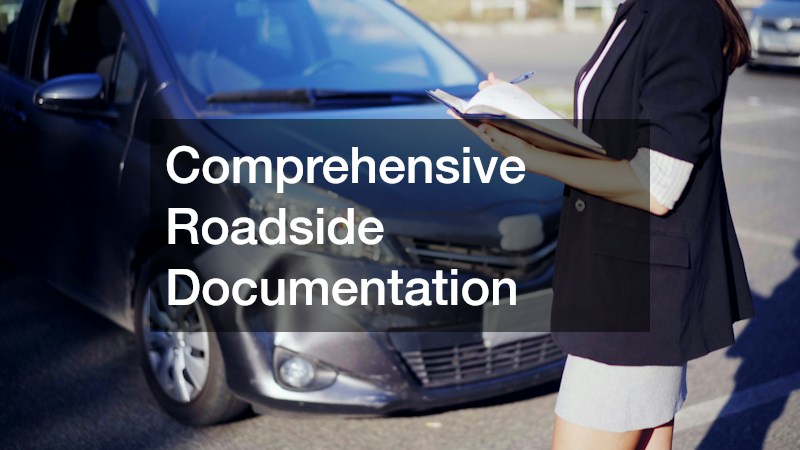
When it is completely safe to walk around the perimeter of the vehicles, begin documenting the entire scene with high-resolution digital photographs and videos from several distinct angles. Capture wide-angle contextual shots of the entire roadway layout, including lane markings, skid marks, broken roadway debris, intersection signs, construction cones, and prevailing weather conditions. Zoom in to photograph close-up details of paint transfers, dent depths, shattered glass patterns, and deployed interior airbags.
Ensure your visual documentation captures all surrounding physical factors that may have contributed directly or indirectly to the incident. Photograph visual obstructions such as overgrown roadside shrubbery, blind driveway corners, broken street lamps, or defective traffic signals. Take photos of your own injuries, ripped clothing, or broken personal belongings inside the vehicle cabin. Documenting these precise physical facts prevents the other party from claiming pre-existing vehicle damage or minimizing the violence of the impact during litigation.
Gathering Driver Identifications and Eyewitness Statements
Exchange mandatory administrative data methodically with every driver involved in the incident without debating who caused the collision. Request their full legal name, permanent residential address, direct telephone number, driver license number, vehicle license plate, vehicle identification number, and specific insurance policy details. If a commercial driver seems reluctant to share credentials, wait calmly for the arriving police officer to manage the exchange officially.
Locate independent bystanders, pedestrians, or neighboring business patrons who witnessed the sequence of events before they leave the area. Polite, objective witnesses provide unvarnished testimonies that make or break contested liability claims. Ask for their names, phone numbers, and permission to record a brief audio memo detailing what they saw and heard. In cases involving severe property destruction or complex liability disputes, retaining an accident lawyer ensures these perishable statements and critical witness leads are preserved formally before memories fade.
Moving Vehicles and Managing Logistics
Coordinating Safe Towing and Vehicle Removal
When vehicles sustain severe structural damage, shattered suspension components, punctured radiators, or compromised steering racks, driving them away poses severe legal and physical hazards. You will need to arrange prompt emergency roadside assistance to secure the perimeter and clear the right of way. Verify that arriving service operators possess appropriate municipal permits, commercial licenses, and clean flatbed equipment before permitting anyone to hook cables to your vehicle.
Beware of predatory, unprompted wreckers that cruise high-collision corridors listening to police scanners. These unauthorized operators often attempt to tow your vehicle to unregulated private impound storage yards where exorbitant daily gate fees accumulate rapidly. Instruct the driver to transport your property directly to an authorized dealership or an approved insurance repair network facility. When relying on professional tow truck services, examine the physical invoice carefully, confirm the exact drop-off destination address in writing, and obtain a complete itemized receipt before signing authorization paperwork.
Navigating Post-Accident Alternative Transportation
Once your damaged vehicle is towed away from the scene, you must resolve immediate logistical challenges regarding safe travel home or to medical clinics. Depending on the hour and location of the incident, public transit may not operate reliably, making on-demand alternatives vital. In metropolitan areas, hailing a licensed municipal cab offers a swift and dependable route away from the scene, enabling you to travel home or seek out a nearby urgent care facility without waiting on friends or relatives.
When travel disruptions extend over several days or weeks during protracted mechanical repairs, long-term options become necessary. Corporate commuters, business executives, or traveling professionals who must keep vital appointments often rely on vetted business transportation services to maintain essential operational schedules. Ensuring you keep every single receipt from secondary rides, public transit, or specialized transit services is vital, as these out-of-pocket transportation expenditures are generally recoverable through comprehensive property damage claims.
Protecting Your Health and Medical Records
Seeking Timely Diagnosis for Latent Traumatic Injuries
Never assume you have escaped unharmed simply because you did not suffer open wounds or broken bones during a collision. High-velocity impacts subject human anatomy to intense kinetic deceleration forces, whipping soft tissues, spinal ligaments, and delicate discs violently beyond normal ranges of motion. Concussions, traumatic brain injuries, internal hemorrhaging, and soft tissue micro-tears frequently remain masked for hours or days by stress-induced endorphins and adrenaline rushes.
Visit an emergency room, specialized trauma center, or urgent care doctor immediately following the completion of police interviews at the scene. Undergo thorough diagnostic evaluations, including magnetic resonance imaging, computed tomography scans, and digital X-rays to pinpoint occult damage. Receiving prompt medical care provides crucial physiological interventions, establishes a concrete causal timeline, and bars insurers from arguing that your injuries resulted from non-vehicular events that occurred days later.
Following Treatment Plans and Maintaining Medical Logs
Securing an initial diagnosis is merely the opening step in preserving your physical health and establishing your injury claim. Attend every scheduled physical therapy session, follow up with orthopedic specialists, and fill all prescribed medications without gaps in treatment. Missing therapy sessions or ignoring physician directives provides opposing adjusters with ammunition to argue that your injuries were exaggerated or completely resolved.
Maintain an organized, physical injury journal throughout your recovery process to capture daily nuances of physical impairment. Record daily pain levels on a standard one-to-ten scale, document restricted physical motions, and log sleep disturbances, panic attacks, or mobility limitations. Retaining an experienced personal injury attorney helps convert these detailed pain logs and clinical charts into compelling demand packages that accurately account for both economic and non-economic losses.
Navigating the Claims and Legal Landscapes
Managing Communication with Insurance Claims Adjusters
Shortly following the collision, you will receive phone calls and correspondence from insurance claims representatives representing various parties. It is critical to recognize that insurance adjusters work for profit-driven corporations tasked with reducing financial payouts to protect corporate balance sheets. When reporting the crash to your own carrier, stick strictly to verified facts, avoid speculative guesses regarding speeds or distances, and decline to provide recorded statements until you have consulted counsel.
Never agree to sign blanket medical authorization waivers or premature settlement releases while actively treating your injuries. Initial quick settlement checks mailed within days of an accident routinely contain legal release clauses that forever eliminate your ability to seek compensation for subsequent surgeries, ongoing therapy, or permanent physical limitations. When complicated questions regarding liability or coverage arise, consulting an experienced car accident attorney protects your interests and prevents costly errors during negotiations.
Understanding Workplace and Commercial Driving Complications
Collisions that occur while performing employment responsibilities introduce unique jurisdictional layers involving state employment compensation statutes. If you were running an official business errand, transporting supplies between commercial facilities, or driving a company vehicle when hit, standard personal automotive policies may not cover the entirety of your losses. In these intricate professional scenarios, seeking specialized workers comp legal advice clarifies the boundary between no-fault administrative claims and third-party negligence lawsuits.
Navigating simultaneous claims requires an understanding of subrogation liens and statutory wage reimbursement calculations. Retaining seasoned workers comp lawyers ensures that your statutory employment disability payments continue seamlessly while you pursue separate civil actions against the negligent motorist who caused the crash. Coordinating both avenues systematically maximizes financial recovery for lost wages, specialized vocational rehabilitation, and lingering physical disability.
Long-Term Vehicular Restoration and Resolution
Monitoring Repair Quality and Diminished Value
Restoring your vehicle to pre-accident operating condition requires active consumer oversight rather than passive trust. You possess the legal right to select any licensed automotive collision facility you prefer; you are not obligated to use the insurer’s low-cost preferred body shop. Demand that the technician use Original Equipment Manufacturer components rather than cheap aftermarket imitation parts or structural salvage items that may compromise safety crash structures.
Even after professional bodywork, structural painting, and suspension realignments are completed, your vehicle now carries a permanent, documented damage history on public databases. This historical blemish instantly lowers the market resale value compared to identical undamaged models. File a formal diminished value claim with the at-fault carrier, supported by an independent appraisal, to recover the financial difference between what your vehicle was worth immediately before the collision and its current diminished valuation.
Fostering Mindful Mental Recovery and Road Confidence
The psychological aftermath of a violent automotive crash can linger long after physical bruises fade and metal is smoothed out. Many drivers experience post-traumatic stress symptoms, characterized by racing heart rates, debilitating anxiety when merging onto freeways, vivid recurring flashbacks, or general driving phobias. Acknowledging emotional trauma is just as vital to comprehensive post-accident preparation as checking oil levels or stocking first-aid gauze.
Work with licensed behavioral health therapists or trauma counselors specializing in vehicular accidents to process the experience systematically. Gradual exposure therapies, combined with cognitive reframing techniques, allow motorists to slowly reintroduce driving habits in low-stress residential environments before braving high-speed highway traffic again. Regaining comfort behind the steering wheel ensures that your confidence, independence, and overall safety remain fully intact for every journey ahead.
A Prepared Approach to Road Safety
Thorough readiness transforms unexpected vehicular crises from devastating catastrophes into organized, systematic recovery processes. By curating complete emergency kits, storing critical documents methodically, deploying strategic roadside safety actions, and mastering the nuances of medical and claims protocols, you establish an impenetrable shield of security around yourself and your passengers. Defensive driving remains your primary deterrent against roadway hazards, but detailed accident preparedness serves as your ultimate lifeline when defensive measures prove insufficient. Revisit your vehicle gear every season, review your insurance policies annually, and drive forward with the lasting confidence that you are completely prepared for whatever challenges the road presents.
About the Author