Experiencing a road incident is one of the most jarring events a motorist can face. In the immediate aftermath, adrenaline surges, stress levels elevate, and critical decisions must be made under extreme duress. While the initial instinct of many drivers is to attempt managing the physical, mechanical, and legal fallout independently, this approach frequently leads to costly missteps, compromised personal well-being, and inadequate legal protection. Securing expert assistance immediately following an accident is essential for restoring order to a chaotic situation, ensuring safety compliance, and protecting overall financial health.
Professional specialists possess technical knowledge, specialized diagnostic tools, and an objective perspective necessary to evaluate damage and handle complex procedural steps. From evaluating structural vehicle integrity to navigating complicated insurance framework requirements, experienced professionals ensure every detail is addressed with precision. Attempting to handle these tasks alone often results in overlooked safety hazards, mismanaged claims, and unpaid recovery expenses. By delegating these responsibilities to dedicated practitioners, accident victims protect their rights and focus on recovery.
Professional Assessment of Mechanical and Structural Damage
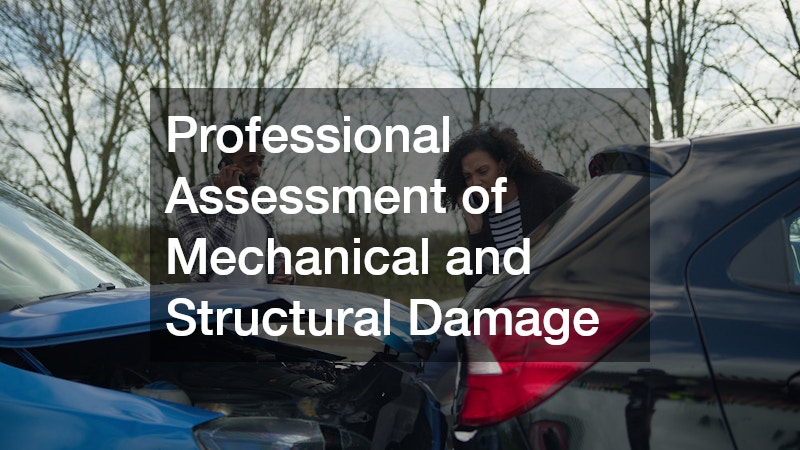
Conducting Diagnostic Scans for Hidden Vehicle Faults
Modern automobiles are complex machines controlled by electronic control modules, network buses, and driver assistance systems. Following a collision, visible body damage often represents only a fraction of actual mechanical impact. Collision energy transfers through the chassis, potentially disrupting sensors, loosening wiring harnesses, and damaging hidden powertrain assemblies.
Professional diagnostic technicians use specialized hardware to perform comprehensive vehicle system scans, identifying internal faults before returning the vehicle to service:
-
Electronic control unit fault logging to identify intermittent sensor failures.
-
Advanced driver assistance calibration for radar, lidar, and camera systems.
-
Supplementary restraint system diagnostics to verify airbag sensor readiness.
-
Anti-lock braking system module evaluation to prevent sudden hydraulic lockups.
Relying on casual visual inspections leaves severe mechanical vulnerabilities unaddressed, creating hazards for future travel. A certified local mechanic has the specialized training needed to evaluate engine mounting alignment, transmission fluid line integrity, and steering column calibration after an impact. Addressing these underlying mechanical issues promptly prevents catastrophic mechanical failures down the road and ensures the vehicle remains entirely safe for high-speed travel.
Identifying Structural Frame Distortion and Wheel Alignment Issues
The structural framework of a modern vehicle is engineered to absorb and deflect impact energy away from the cabin during a collision. However, this energy absorption process frequently introduces microscopic stress fractures, unibody misalignment, or severe frame displacement. Driving a vehicle with structural distortion compromises handling predictability and reduces occupant protection in subsequent crashes.
Skilled technicians utilize computerized laser measurement systems to analyze frame geometry against original factory specifications down to the millimeter:
-
Applying multi-directional hydraulic pullers to restore original unibody geometry.
-
Measuring three-dimensional reference points to guarantee exact factory alignment.
-
Inspecting suspension mounting locations for subtle structural bends or fractures.
Failure to correct structural misalignments severely compromises crashworthiness in subsequent impacts and causes rapid, uneven tire wear. Trusting certified local auto repair specialists ensures that structural straightening equipment and precise hydraulic pullers are applied correctly, restoring structural geometry and dynamic stability to original safety standards.
Ensuring Optical and Structural Safety Through Specialist Glass Services
Windshields and structural glass serve as vital components of vehicle cabins, providing up to thirty percent of roof strength during rollover events. Even minor stress fractures or hairline cracks resulting from a collision can compromise this structural integrity, leading to total glass failure during subsequent impacts.
Attempting temporary glass fixes or ignoring minor cracks puts occupants at severe risk during subsequent accidents. Professional auto glass replacement technicians use high-grade polyurethane sealants and precise recalibration equipment for windshield cameras, ensuring that structural integrity and optical sensors are perfectly restored.
Key advantages of choosing professional glass replacement include:
-
Utilization of high-viscosity structural adhesives designed for fast cure times and structural strength.
-
Precise calibration of forward-facing safety cameras and lane-departure sensors embedded in glass.
-
Prevention of water leaks and wind noise through exact OEM seal fitting protocols.
Managing Complex Collision Restoration on Specialized Recreational Vehicles
Mobile RV repairs present unique structural challenges after an accident due to composite construction, plumbing systems, slide-out mechanisms, and expansive surface areas. Repairing these large vehicles requires specialized facilities equipped with heavy-duty frame alignment machinery, fiberglass repair tools, and oversized paint spray booths.
Delegating structural restoration to experienced rv collision repair centers guarantees that internal slide-out mechanisms, sidewall framing, and roof seals are thoroughly inspected and repaired. These specialized facilities prevent long-term water intrusion and structural sagging that can completely compromise the structural integrity and resale value of a motorhome.
Utilizing On-Site Diagnostic Services for Immobilized Vehicles
When an accident leaves a large vehicle stranded far from a dedicated facility, towing costs accumulate rapidly while risking further chassis damage. Transporting heavy vehicles requires specialized equipment, and improper rigging causes secondary frame twist or axle damage. On-site technical support offers a practical alternative, bringing diagnostic capabilities directly to the vehicle location.
Engaging certified mobile RV repair services allows qualified technicians to perform immediate chassis stabilization, generator electrical checks, and slide-out mechanical overhauls without requiring hazardous highway transport. This rapid response minimizes downtime, prevents secondary environmental damage, and ensures that critical operational systems are safely evaluated before long-distance travel resumes:
-
Elimination of expensive long-distance heavy towing fees and transport risks.
-
Rapid emergency repairs to secure slide-outs and external awnings for transit.
-
Immediate roadside inspection of brake lines, air suspension, and tire assemblies.
Legal Protection and Rights Preservation After an Incident
Securing Objective Evidence and Establishing Liability
Proving liability following an incident requires gathering physical evidence, official collision reports, witness statements, and accident reconstruction analysis. Insurance adjusters represent corporate interests designed to minimize payout liabilities, often misinterpreting evidence to assign partial fault to unrepresented drivers.
Retaining an experienced local collision attorney ensures that critical evidence is preserved before scene conditions change or vehicle event data recorders are cleared. Professional legal representation conducts independent scene investigations, interviews eyewitnesses, and secures video surveillance footage to construct an irrefutable account of the incident:
-
Subpoenaing black box data from involved vehicles to determine speeds and braking inputs.
-
Securing high-resolution physical evidence photos and tire mark measurements.
-
Coordinating with professional accident reconstruction engineers to model the crash scene.
Navigating Complex Insurance Claims and Negotiations
Insurance policies are dense legal contracts filled with intricate clauses, strict notification deadlines, policy limits, and compensation caps. Communicating directly with opposing insurance adjusters without legal counsel often leads to inadvertent statements that compromise full financial recovery.
Working with experienced auto accident attorneys ensures that all insurance communications, claim filings, and settlement demands are handled by professionals skilled in negotiation tactics. Legal advocates systematically calculate non-economic damages, future medical expenses, and lost earning capacity to demand maximum financial recovery from responsible insurers:
-
Auditing medical bills and repair estimates to calculate total current and future losses.
-
Identifying all applicable insurance coverages, including underinsured motorist coverage.
-
Issuing formal demand packages backed by strong legal precedent and clear liability evidence.
Addressing Medical Documentation for Long-Term Physical Injuries
Physical injuries resulting from vehicle impacts, such as whiplash, soft tissue strain, and herniated discs, often manifest symptoms days or weeks after the initial collision. Without immediate medical evaluation and professional documentation, insurance companies frequently dispute the origin and severity of these condition claims.
Seeking immediate medical evaluation establishes an official link between the incident and physical trauma. When seeking compensation for lasting personal injury damages, comprehensive medical records and expert medical testimony are essential for proving the full extent of physical suffering and necessary ongoing rehabilitation treatment:
-
Obtaining immediate diagnostic imaging such as MRIs and CT scans post-impact.
-
Adhering strictly to prescribed treatment plans and physical therapy schedules.
-
Maintaining detailed pain journals documenting daily functional limitations.
Specialized Two-Wheeled Vehicle Inspection and Repair
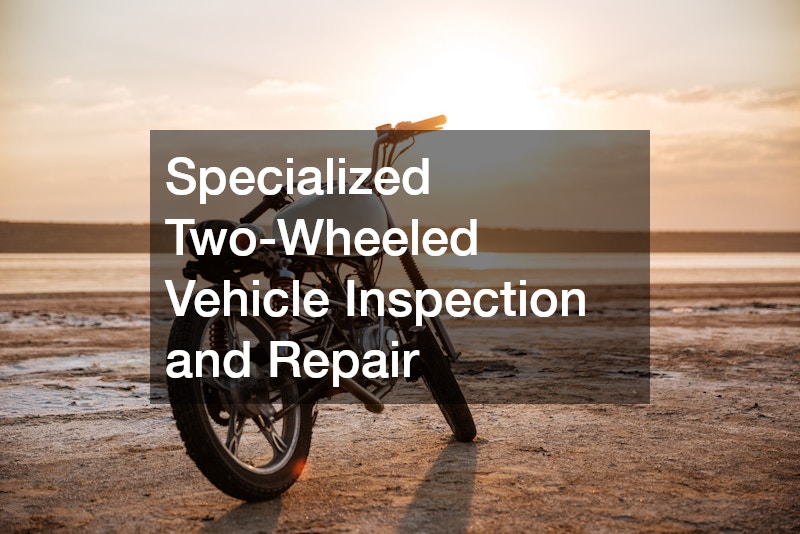
Evaluating Frame Alignment and Front-End Mechanics on Motorcycles
Motorcycles are exceptionally sensitive to impact forces, where even minor collisions can cause hairline frame cracks, bent front forks, or misaligned rear swingarms. Unlike enclosed automobiles, two-wheeled vehicles offer no protective cabin, making mechanical perfection a strict requirement for rider safety.
A certified motorcycle mechanic possesses the precision tools and diagnostic expertise required to measure frame alignment, check steering head bearings, and inspect front fork assembly tolerances. Thorough mechanical testing ensures that the motorcycle maintains neutral handling, preventing high-speed wobbles and unpredictable control responses:
-
Laser measurement of front fork tubes to detect subtle bends along the stroke path.
-
Inspection of steering head bearings for notchiness or excessive play after impact.
-
Checking swingarm pivot points and rear wheel tracking alignment against frame center.
Restoring Drive System Integrity and Braking Performance
Following an impact, motorcycle drive chains, sprockets, hydraulic brake lines, and ABS control units are highly susceptible to hidden mechanical damage. Damaged brake lines develop fluid leaks under high pressure, while bent sprockets cause severe drivetrain binding or catastrophic chain throwing during acceleration.
Entrusting two-wheeled restoration to specialists experienced in motorcycle repairs guarantees that hydraulic brake systems are fully pressure-tested, fluid lines are flushed, and drive components are replaced with original equipment manufacturer parts. This meticulous attention to mechanical detail safeguards the rider against mechanical failure during emergency maneuvers:
-
Replacing bent drive chains and sprockets to maintain correct driveline tension.
-
Flushing and pressure testing hydraulic brake lines to eliminate air bubbles and leaks.
-
Recalibrating electronic wheel speed sensors linked to traction control systems.
Long-Term Value Retention and Professional Documentation
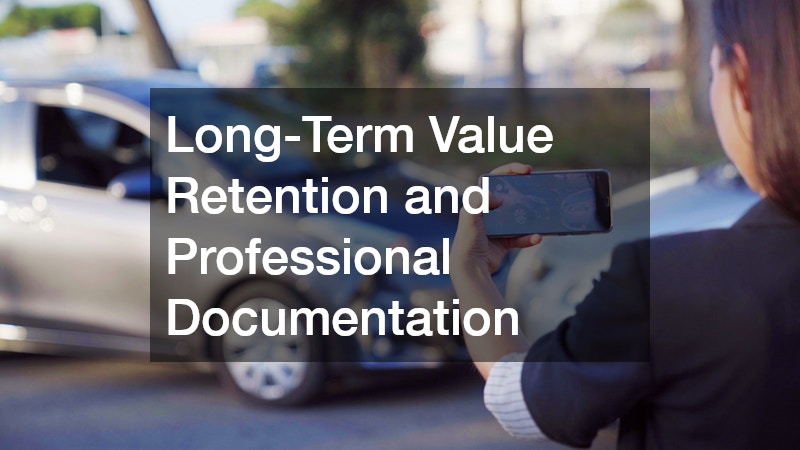
Maintaining Detailed Vehicle Repair History Records
When a vehicle involved in an accident is repaired by certified professionals, every step of the repair process is formally documented and added to official service history databases. This documentation provides undeniable proof that repairs were completed in accordance with original manufacturer standards using approved replacement parts.
Documented repair histories maintained by professional service providers preserve vehicle resale value and satisfy potential future buyers regarding vehicle safety. Attempting undocumented or amateur repairs creates severe gaps in history reports, causing drastic reductions in vehicle market value and raising red flags during pre-purchase vehicle inspections:
-
Verification that safety systems were restored using original equipment manufacturer components.
-
Official records of frame alignment and structural measurements proving structural integrity.
-
Transferable service warranties on paint and mechanical repairs that enhance resale confidence.
Streamlining Third-Party Claims with Comprehensive Invoices
Detailed repair invoices provided by accredited facilities detail line-item costs for labor, structural frame pulling, parts, and paint refinishing. These standardized invoices serve as essential supporting evidence during insurance negotiations, preventing insurers from arbitrarily underpaying repair claims.
Accredited facilities communicate directly with insurance adjusters to issue supplemental repair estimates if hidden damage is discovered during teardown. This professional coordination eliminates out-of-pocket expenses for vehicle owners and ensures that no mechanical or aesthetic repairs are omitted due to insurance estimate restrictions:
-
Itemized breakdown of technician labor hours separated by structural, mechanical, and body work.
-
Detailed list of replacement parts specifying original equipment status and part numbers.
-
Documentation of sublet services such as specialized wheel alignments or glass recalibration.
Essential Steps to Take When Choosing Professional Service Providers
Verifying Technical Certifications and Industry Accreditation
When selecting a repair center or technical service provider, consumers must verify professional certifications such as Automotive Service Excellence credentials or original manufacturer certifications. These credentials confirm that technicians undergo ongoing training and adhere to rigorous repair standards.
Choosing accredited service facilities ensures access to modern equipment, proper safety protocols, and valid service warranties. Working with certified technical teams eliminates guesswork, providing vehicle owners with confidence that all mechanical and structural work meets exact manufacturer safety specifications:
-
Active Automotive Service Excellence certification across relevant repair categories.
-
Original equipment manufacturer certification for specific vehicle makes and model lines.
-
Transparent warranty policies covering both replacement parts and technician labor.
Ensuring Legal Advocates Specialize in Motor Vehicle Incidents
Legal representation requires specialized expertise in transportation law, statutory deadlines, insurance structures, and state-specific fault determination regulations. Selecting a legal professional with a proven track record in motor vehicle claims ensures optimal representation during settlement negotiations or trial proceedings.
Qualified legal counsel understands how to analyze accident reconstruction reports, consult medical experts, and present persuasive arguments to insurance carriers. Working with specialized legal advocates guarantees that victim rights are aggressively protected throughout every phase of the legal process:
-
Demonstrated experience handling complex motor vehicle collision litigation.
-
Access to a network of medical professionals, accident reconstructionists, and economists.
-
Transparent contingency fee structures with clear explanations of case management expenses.
Experiencing a vehicular crash introduces severe challenges that require careful navigation across mechanical, legal, and medical domains. Attempting to handle structural vehicle repairs, complex legal claims, or physical recovery without qualified assistance exposes individuals to unnecessary risks, financial losses, and long-term safety hazards. Dedicated specialists offer the expertise, specialized equipment, and objective guidance needed to restore vehicles to factory safety standards and secure full legal compensation. By partnering with certified professionals immediately following an accident, motorists safeguard their physical well-being, preserve vehicle financial value, and secure peace of mind during a challenging recovery process.
About the Author